|
|
Random Aquarium Topics
| Giant Elephant Ear Polyps - Rhodactis Marine Topics - Marine Pests These sedentary creatures are often regarded as beautiful and desirable invertebrates for the reef aquarium; but beware, there can be a high price to pay! Large polyps of this nature are highly predatory on fish and crustacea. |
| Aiptasia Anemone spp - Triffid, Glass or Rock Anemones Marine Topics - Marine Pests We all know how difficult most anemones are to maintain, so what a relief to find a species not only easy to keep but quick to multiply.....WRONG! Aiptasia anemones are the proverbial wolves in sheep's clothing. They have a prodigious sting capable of killing (as a prelude to eating) small fish and even larger fish can sustain a nasty injury if contact is made. Reef tanks suffer particularly badly, for as the anemones spread amongst the polyps, corals, clams and other anemones they tend to sting everything they touch. |
| The Problem Top Fifteen Marine Fish - General Marine Articles
In the main, marine fishkeeping is not difficult. But common problems do occur from time to time and although these tend to be of an elementary nature, a significant number of aquarists find difficulty in resolving them unless they have definite and reliable guidelines to refer to. What follows is an outline of the fifteen most common problems I have encountered during my years in the marine fishkeeping hobby and a guide as to how to resolve them. |
| Marine Hobbyist Beginner FAQs Marine Topics - FAQs Q1) Is marine fishkeeping difficult?A) There is no straight yes or no to this question but It need not be difficult if approached in the right way. As with other pet hobbies, a certain amount of preparation is required before investing in costly hardware and livestock. Read books on the subject. Go to your local library, surf the internet for information, ask friends who are already involved in the hobby. Decide if it is REALLY for you. Marine aquaria require regular maintenance which, if ignored, will make life for you and your pets very problematic. After all, you would not buy a dog with the intention of NEVER taking it for a walk! It is a daily activity that the majority of owners thoroughly enjoy. Marine fishkeeping is very much like that. There are regular tasks to be performed and if you are going to despise them, then there is no point in taking up the hobby. (Stamp collecting is much easier and does not involve the potential loss of valuable livestock!). Although there are a number of skills involved, these are easily and quickly learnt by almost anyone who is enthusiastic enough. Never assume that you will be unable to cope because you are “not clever enough”. With a modicum of common sense, almost anyone can make a success of the hobby. |
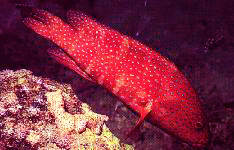
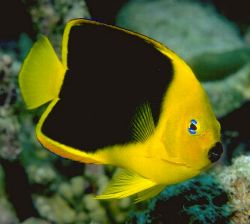
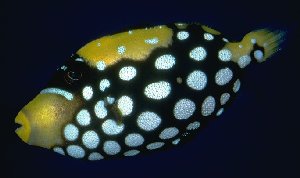
Big Fish for The Marine Aquarium!
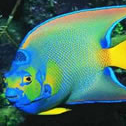
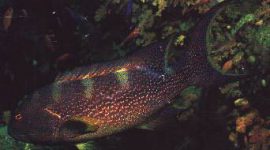
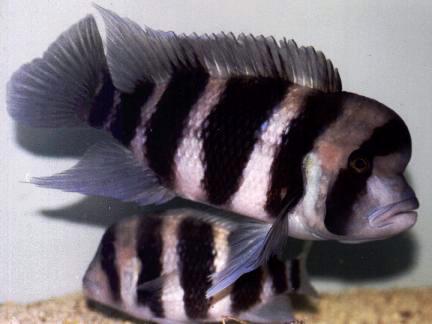
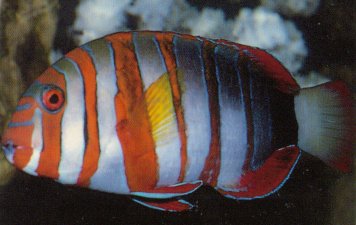
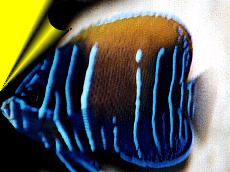
One type of marine aquarium never fails to create a stir, the fish-only tank containing BIG fish! The sight of large slices of brightly coloured piscine flesh cruising around an equally spacious aquarium is enough to make anyone's heart beat a little quicker.
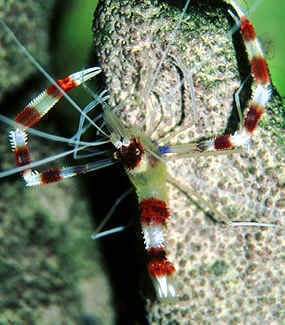
The Micro Shrimp Tank
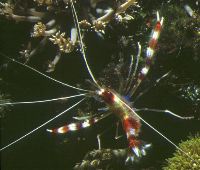
Most of my regular readers will already be aware that, on the whole, I do not condone small marine tanks; that is, tanks with a nett volume of less than 20 gallons (91 litres). They are usually very unstable as far as water parameters are concerned and subsequently exert...

These sedentary creatures are often regarded as beautiful and desirable invertebrates for the reef aquarium; but beware, there can be a high price to pay! Large polyps of this nature are highly predatory on fish and crustacea.
We all know how difficult most anemones are to maintain, so what a relief to find a species not only easy to keep but quick to multiply.....WRONG! Aiptasia anemones are the proverbial wolves in sheep's clothing. They have a prodigious sting capable of killing (as a prelude to eating) small fish and even larger fish can sustain a nasty injury if contact is made. Reef tanks suffer particularly badly, for as the anemones spread amongst the polyps, corals, clams and other anemones they tend to sting everything they touch.
An Article Discussing The Fifteen Most Common Problems In The Tropical Marine Tank.
Q1) Is marine fishkeeping difficult?